What Causes Yellow Algae In Pool
What Causes Yellow Algae In Pool. The presence of nitrates, phosphates, and carbon dioxide can spur their growth. Nobody wants to swim in that mess!
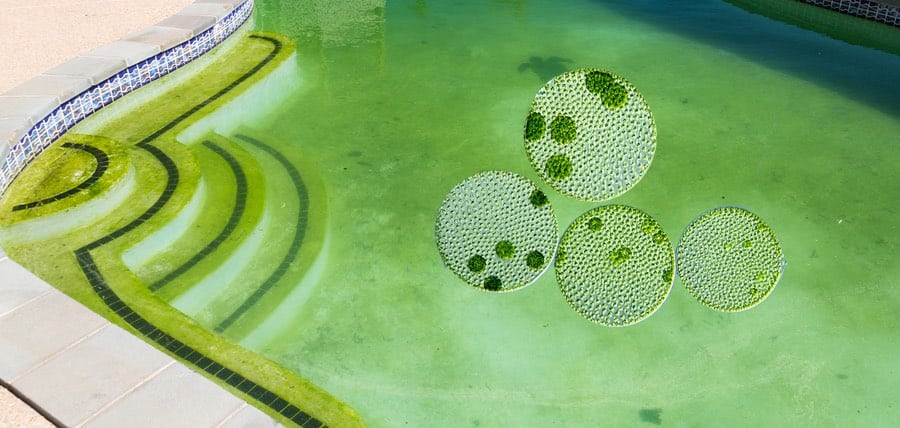
It is one of several different types of algae found in swimming pools, and when the slippery substance forms on stairs, it makes for a treacherous climb in and out. Mustard algae typically grows in the shade and may also cling to the sides and bottom of the pool. It can also attach itself to swimwear and contaminate the water.
The Presence Of Nitrates, Phosphates, And Carbon Dioxide Can Spur Their Growth.
Pool algae occurs for many reasons. Causes of yellow algae there are many variables at play when it comes to yellow algae, but the two constants are a lack of filtration and lack of chlorine. By following a few simple instructions, you can scour away this microbial menace, and ke.
So If The Pool Water Isn't Cloudy And The 'Dirt' Is Clinging To The Walls After Brushing, The Problem Is Likely Be Yellow/Mustard Algae.
Mustard algae, sometimes called yellow algae, loves to attach itself to the walls of swimming pools. When it comes to effecting those two constants, factors such as pump speed, run time, sanitation method, bather load, and even the weather all have a part to play. Algae is rampant in hot and humid climates or during the summer, simply because chlorine reduces faster as water temperature increases leaving your pool vulnerable to algae and bacteria.
This Type Of Algae Prefers The Shade, And Likes Still Water, So It’s More Likely To Be Seen Clinging To The Walls Or Bottom Of The Pool.
It is one of several different types of algae found in swimming pools, and when the slippery substance forms on stairs, it makes for a treacherous climb in and out. After you check the water’s ph level, it’s a good idea to remove as much of the algae from the walls as possible before moving forward. An algae bloom can happen really quickly because algae are always available in pools at a microscopic level.
The Main Cause Of Algae In A Swimming Pool Is Low Free Chlorine(Fc) Level.
It is common to have a mustard algae outbreak after many people have used the swimming pool. In short, if you own a pool, it’s inevitable that you will see algae at some point. This type of algae is found in areas where there is constant sun on pools during the day, and is not as common in the northern climates where it is often mistakenly identified.
Algae Can Also Be Carried Into Your Pool By Someone’s Bathing Suit Or By Pool Equipment.
Low or inconsistent chlorine levels, faulty pool filtration and poor water circulation may be to blame. Unlike green algae that floats on top of the water, yellow algae clings to surfaces, such as the walls, bottom of the pool, or on other objects like pool lights, ladders, and filters. This algae is a form of yellow or mustard algae and often grows in the shaded area of the pool.

Post a Comment for "What Causes Yellow Algae In Pool"